
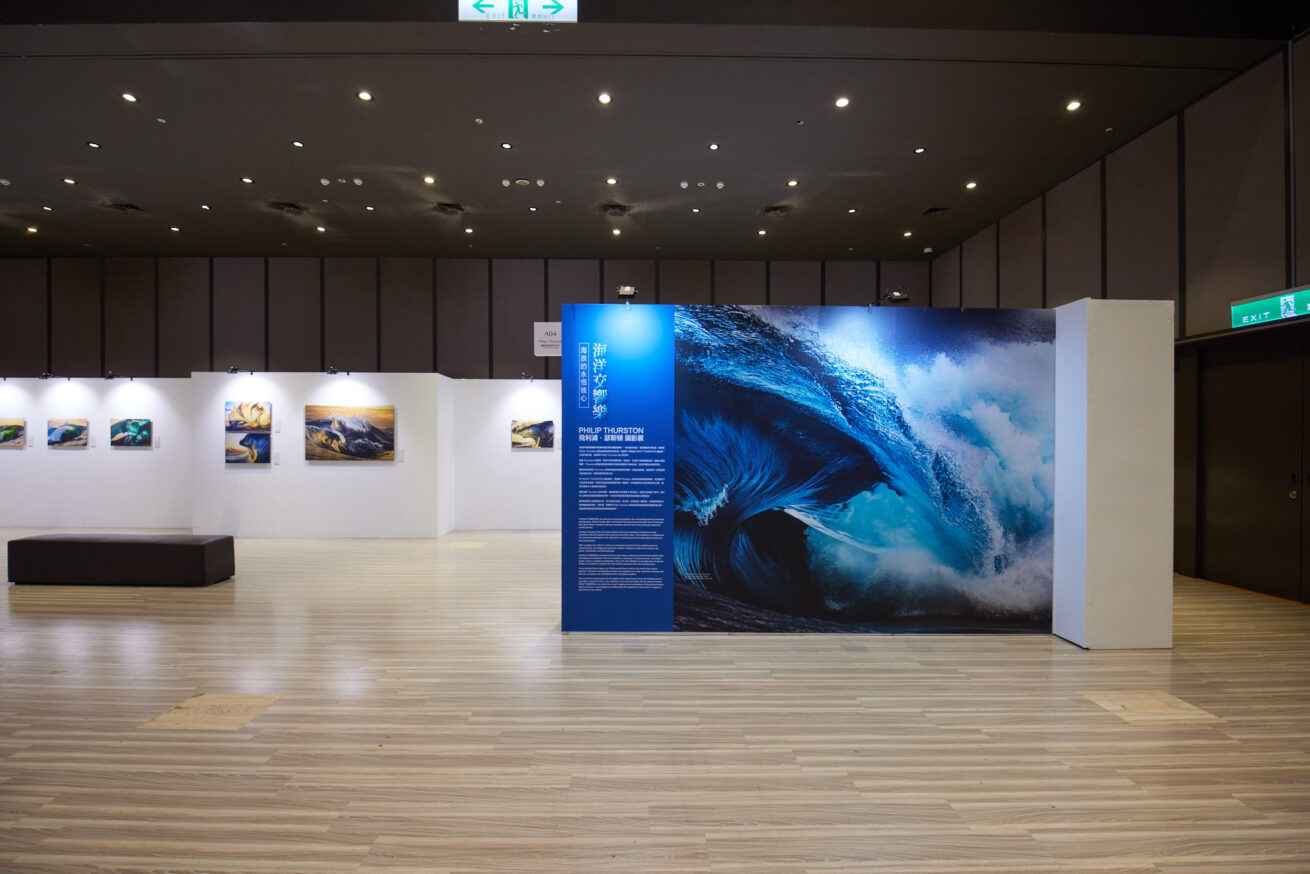
This past March Anastasia Photo featured photographer Philip Thurston in the 2024 SKM PHOTO international art fair in Taipei, Taiwan. It was the fourth consecutive year Anastasia Photo has worked with The Shin Kong Mitsukoshi Cultural & Educational Foundation. The Australian-born photographer is currently based between the southeast coast of New South Wales, Australia and Los Angeles, California. Philip Thurston’s imagery explores the majestic mystery behind the breaking wave leading the viewers to question their collective
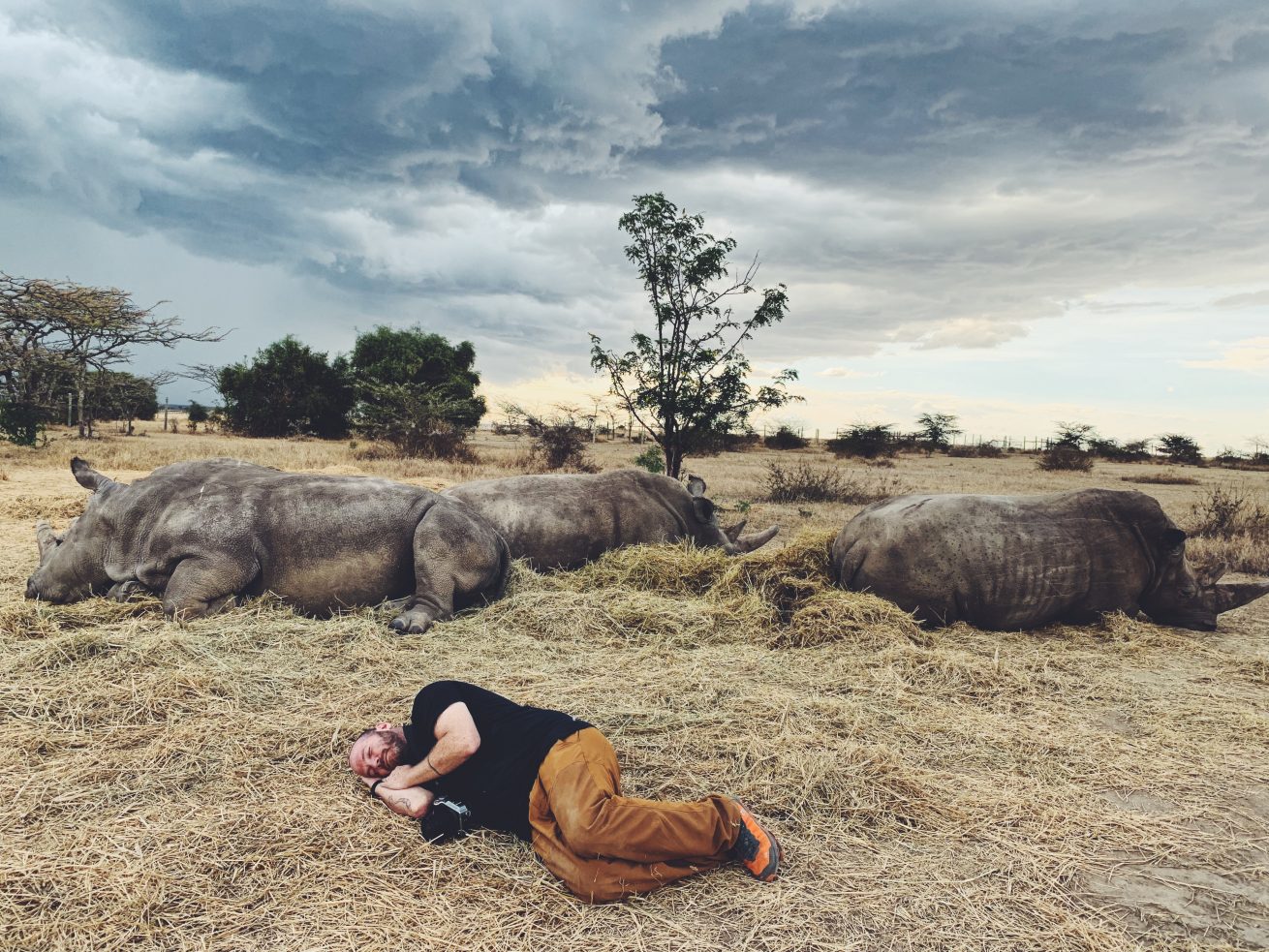
In 2018, Sudan, the last Northern White Rhino male passed away at Ol Pejeta Conservancy in Kenya. He left behind the two females, a mother and daughter Najin and Fatu, who together are the last of the Northern White Rhino species in existence. Justin Mott traveled to Ol Pejeta Conservancy in Kenya to photograph the duo and the people who look after them. Take a look at some behind-the-scenes shots of Mott’s first installment of Kindred Guardians, a

Congratulations to our photographer Sarah Blesener, recipient of the 2018 W. Eugene Smith Memorial Fund Fellowship. To learn more about Sarah’s work, view a video of the project below. View more images and information from Sarah’s spring 2018 exhibition “The Making of A Patriot” here.
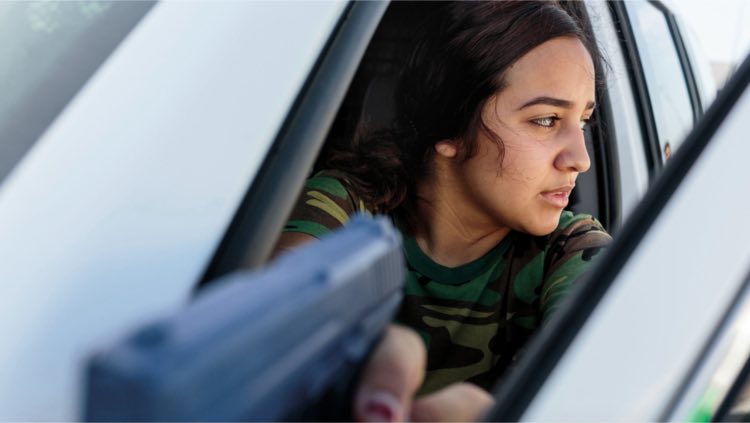
Anastasia Photo Emerging Photographer Sarah Blesener traveled to Kingsville, Texas and Nogales, Arizona this year to document the Border Patrol Explorers. The program launched in 1973 to train youth in border patrol and American citizenship. Sponsored by the United States Border Patrol, the program also serves as a recruitment tool for the agency, for those students who wish to enter law enforcement. It is one of the most stable career pursuits in the region. Many of the students Blesener
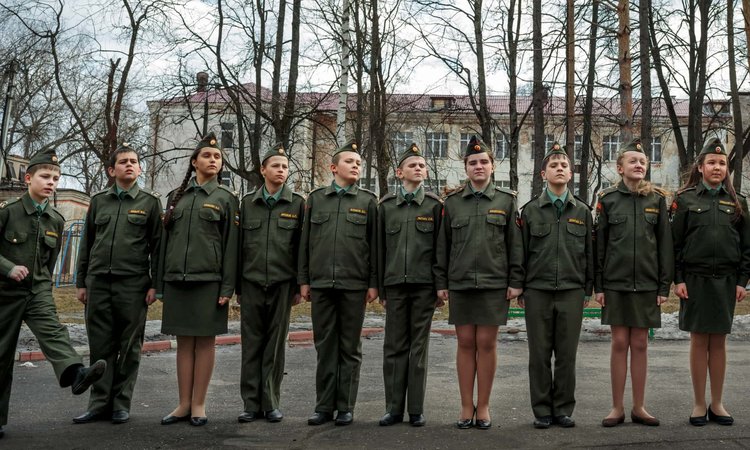
The Guardian features Sarah Blesener’s ongoing series, Toy Soldiers. Over 200,000 youth are enrolled in cadet clubs that offer a potent mix of patriotism and play fighting. Anastasia Photo’s Sarah Blesener captured the students’ experience within the clubs in her series Toy Soldiers. See the full feature.
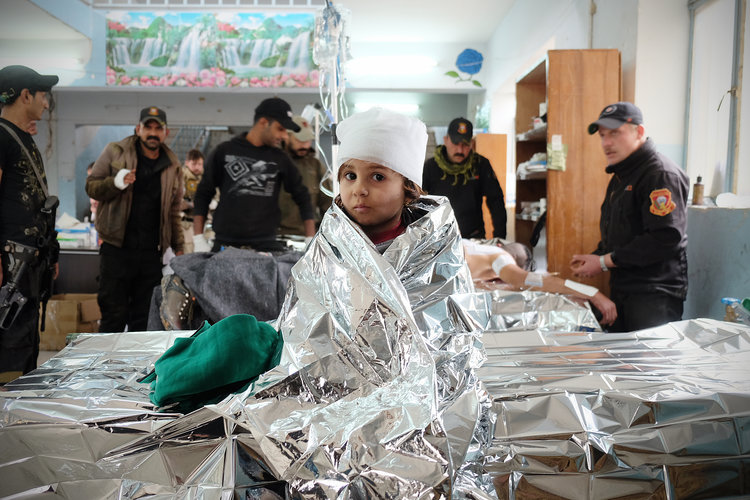
Jonathan Alpeyrie traveled to Mosul, Iraq, in March 2017 to explore the Iraqi army’s advance in recapturing the city from ISIS control. In 2014, the Islamic State declared its caliphate in Mosul. Iraqi troops have worked over the past year to unseat ISIS from their primary hold in the country. To date, they have reclaimed the east of the city and have been undergoing efforts to expel ISIS in its last bastion of the city. Hundreds of ISIS fights remain

By 2100, the world’s population is estimated to increase from 7.4 to more than 11 billion people. Between the population surge and increased demand from China and Latin America’s growing wealth, the world will need to double its food supply. For the United States in particular, the current industrialized food system nourishes more people, at a lower cost, than any comparable system in history. As part of his ongoing project, Big Food, George Steinmetz spent nearly a year traveling
In 2011, Guillermo Cervera was photographing the Libyan Civil War alongside colleagues Tim Hetherington and Chris Hondros. He moved aside to take a photograph of a bubbly image of a Pepsi advertisement behind a Libyan fighter. In the split second he had stepped away, his two colleagues were hit by mortar shells. The sight of the Pepsi water image saved his life. It was that moment that led Guillermo to turn his camera inward for his next adventure and
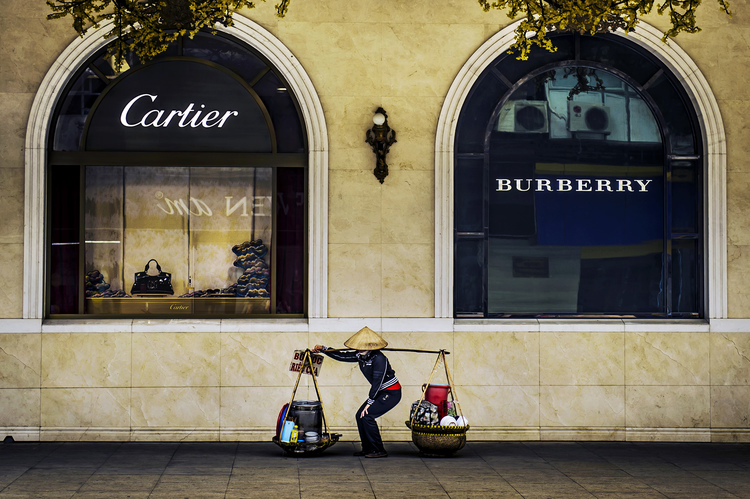
Vietnam’s current median age is just under 30. With half the country born in a period of economic growth and prosperity following the 1986 Renovation policy, the ‘Renovation Generation’ is experiencing a unique youth culture. Western culture and the digital revolution presents new forms of engagement with Vietnam’s traditional values. Consequently, a rift has emerged between the youth and their parents’ generation as the Renovation Generation continues to strive for engagement with the wider world. Dina Litovsky’s new work
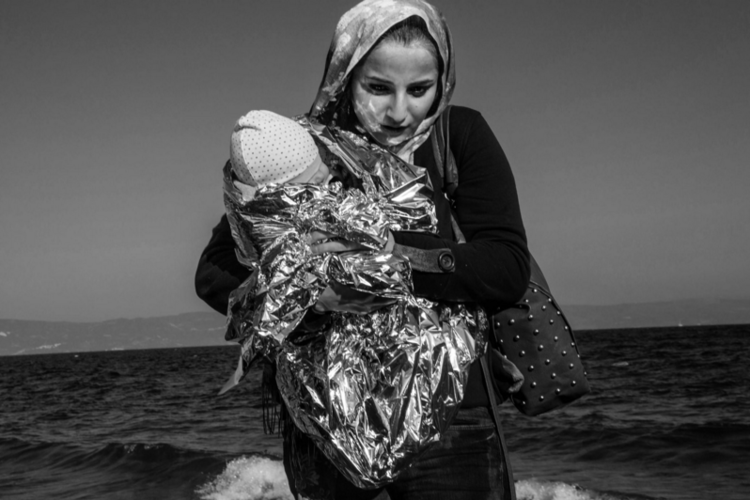
Lesbos Island, Greece, Nov. 16, 2015. A female refugee who has just crossed from Turkey holds her baby wrapped in thermal blankets. She traveled by rubber dinghy and landed with other members of her family on the northern shore of the island. Today, there are more refugees and internally displaced people than at any other time since World War II. Unable to simply watch as a bystander, Roger LeMoyne spent two weeks covering the mass exodus from Syria,
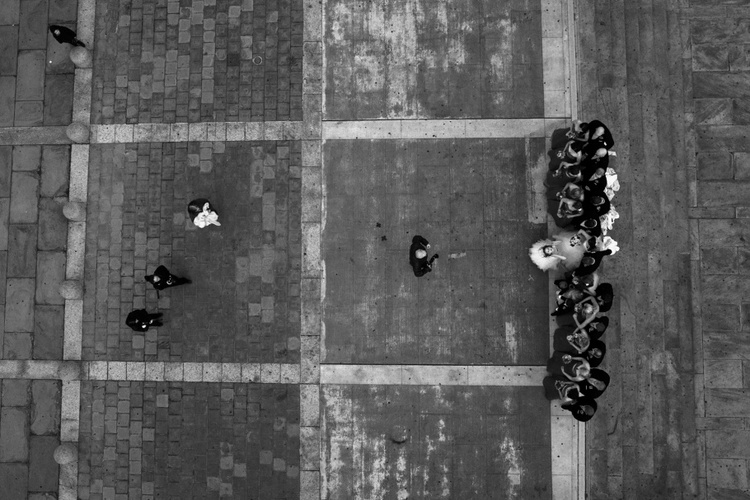
We are pleased to introduce Tomas van Houtryve to our roster of represented photographers. Tomas is an artist, photographer and author whose work engages critical contemporary issues around the world. His imagery explores contemporary warfare and the modern State through issues such as drones, electronic surveillance, nuclear testing and Cold War ideology. In 2015, Tomas received the International Center of Photography’s Infinity Award – among many other accolades – for Blue Sky Days, a longterm project thats mission is to “bring
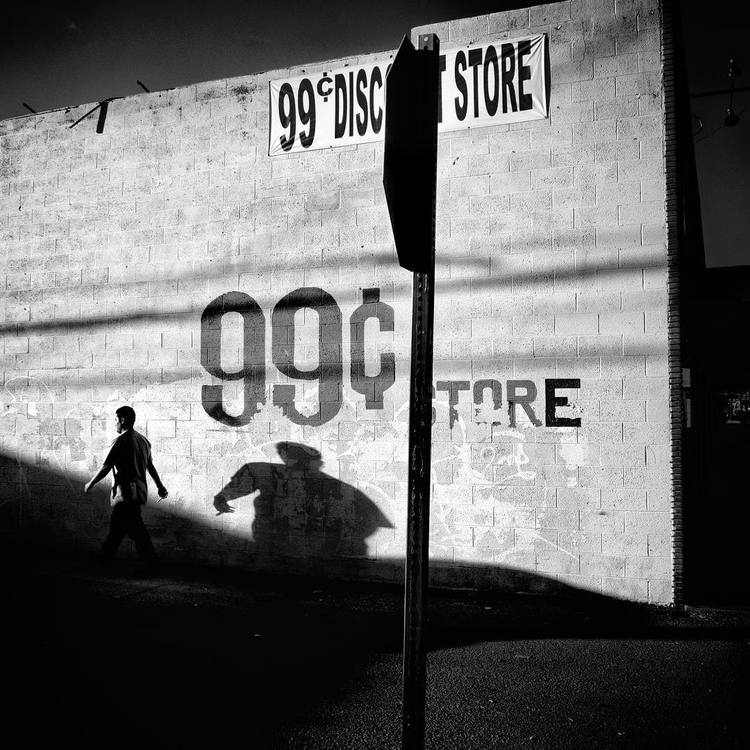
Matt Black is back on the road. On the heels of his cross-country road trip across the four corners of the United States, Matt is now halfway through his journey by Greyhound bus across the center of the country. Since 2000, the number of communities of “concentrated poverty” has doubled. More than 45 million Americans fall below the poverty line, and the widening gap between the rich and poor continues to cripple communities across the nation. The new installment of

For the second year, The New York Times T Magazine displays Natan Dvir’s images of New York City’s holiday transformation. From Fifth Avenue to Dyker Heights (dubbed “Dyker Lights”), Natan captures the city’s shift into the holiday season. See more images in an interactive article, here.
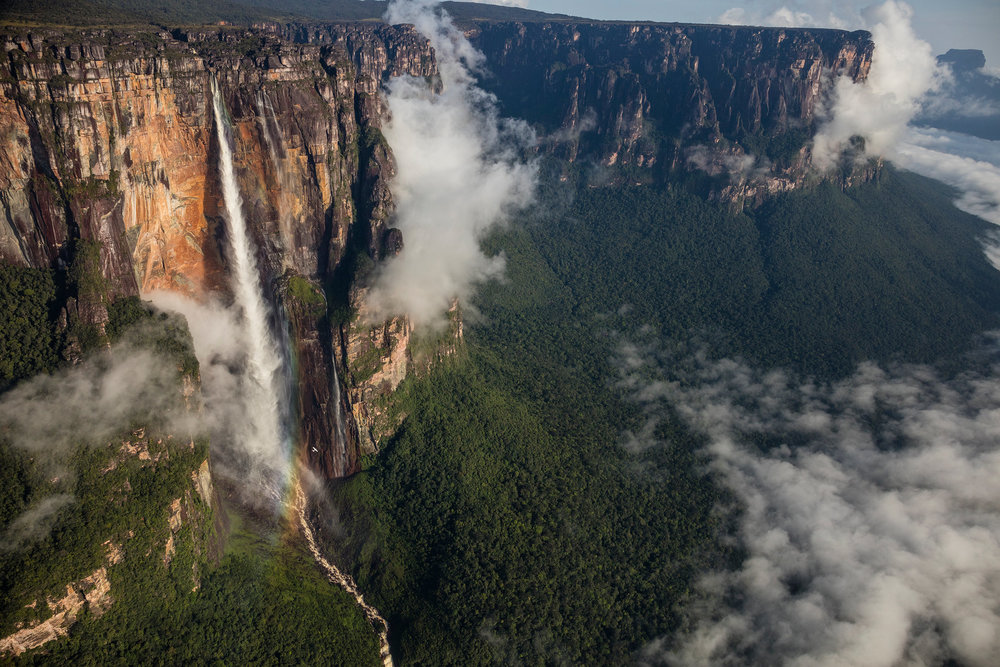
George Steinmetz photographs Venezuela’s Angel Falls in The New York Times Magazine’s ‘Voyages’ issue. The Magazine asked five photographers for their visual journeys in destinations seldom frequented in the travel photographer sphere. Along with his son John Steinmetz, George flew from New York to Caracas and into the tepuisin the Cessna. The two bush pilots he hired treated the aircrafts as though they were dancers, granting both mystical scenes and aerial photography opportunities. See the full series here.
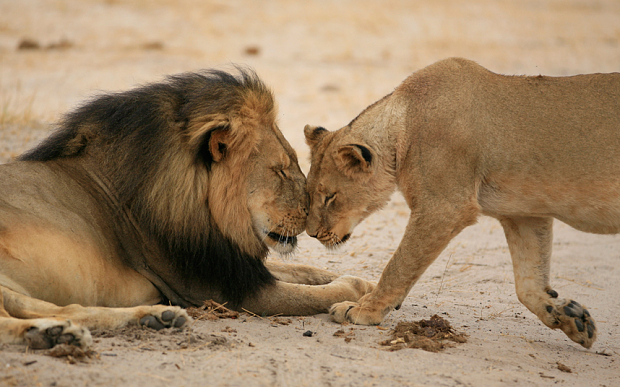
The loss of Cecil, a 13-year-old “protected” lion who was senselessly slaughtered and skinned, is not only a universal loss, but a personal one for us at Anastasia Photo. The gallery endows all its exhibitions with a related philanthropic organization. In September 2013 we paired our Michael “Nick” Nichols show with Brent Stapelkamp’s Long Shields Lion Guardians Organization. We began our relationship as a supporter of Brent Stapelkamp helping him to purchase equipment for his organization. Brent has been
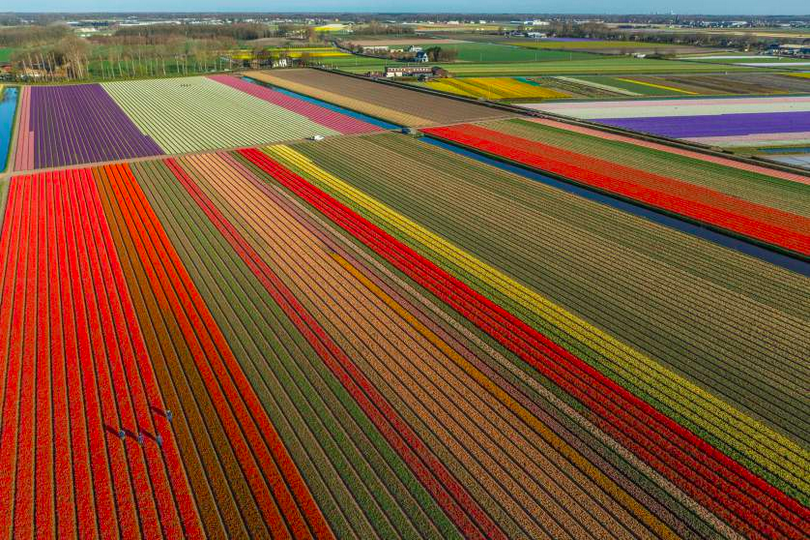
George Steinmetz hitched a ride aboard a helicopter over Holland’s fields of tulips, his images are featured in Time Lightbox. Tulips blooming in fields between Amsterdam and Leiden, The Netherlands.
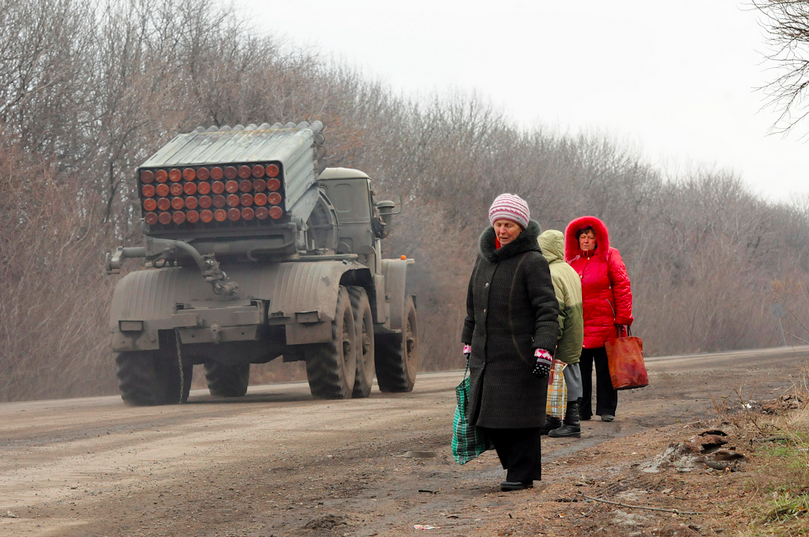
Refugees from Debaltseve are escaping the battle zone on foot while Grad missile systems are heading to the front. Fighting continues between Ukrainian forces and pro-Russian separatists in and around the important railway hub of Debaltseve. The humanitarian situation in the town has become catastrophic as thousands have fled, while many more are trapped in the heavily shelled town. Locals each day try to flee the battle zone using cars, trucks or buses driven by volunteers making the round trip

Watch New York City landmarks light up for the holidays in an interactive feature by T Magazine featuring images shot by Natan Dvir.

George Steinmetz describes the development of China’s Yangtze Delta as converting “rice farms to high-end McMansions.” His images are featured in New York Times Magazine’s Let A Hundred McMansions Bloom.
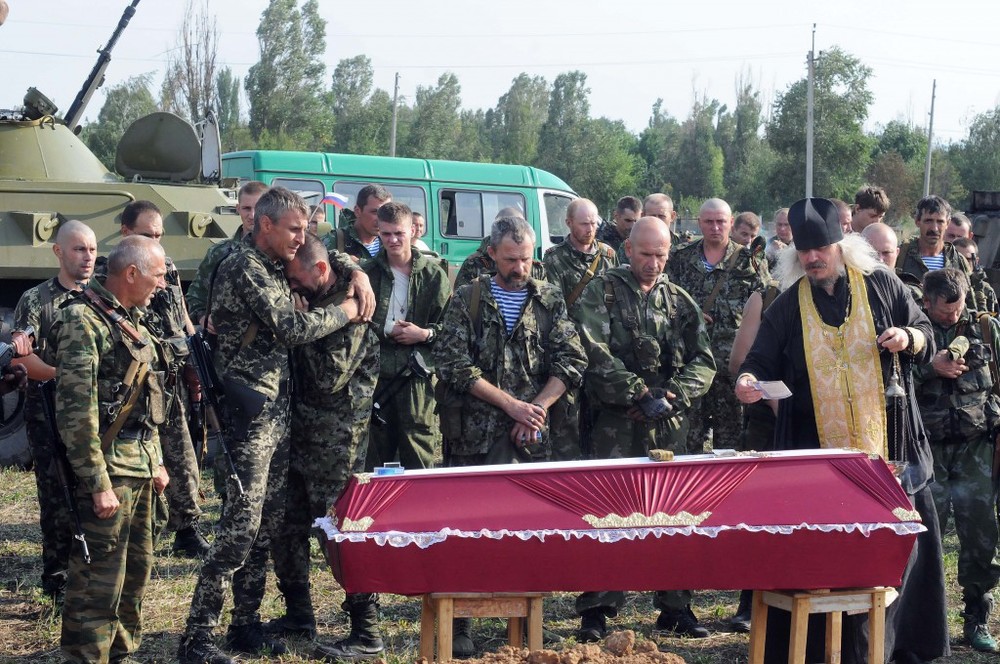
Jonathan Alpeyrie photographed pro-Russian rebels burying their dead. He describes how he gained access on CNN.